
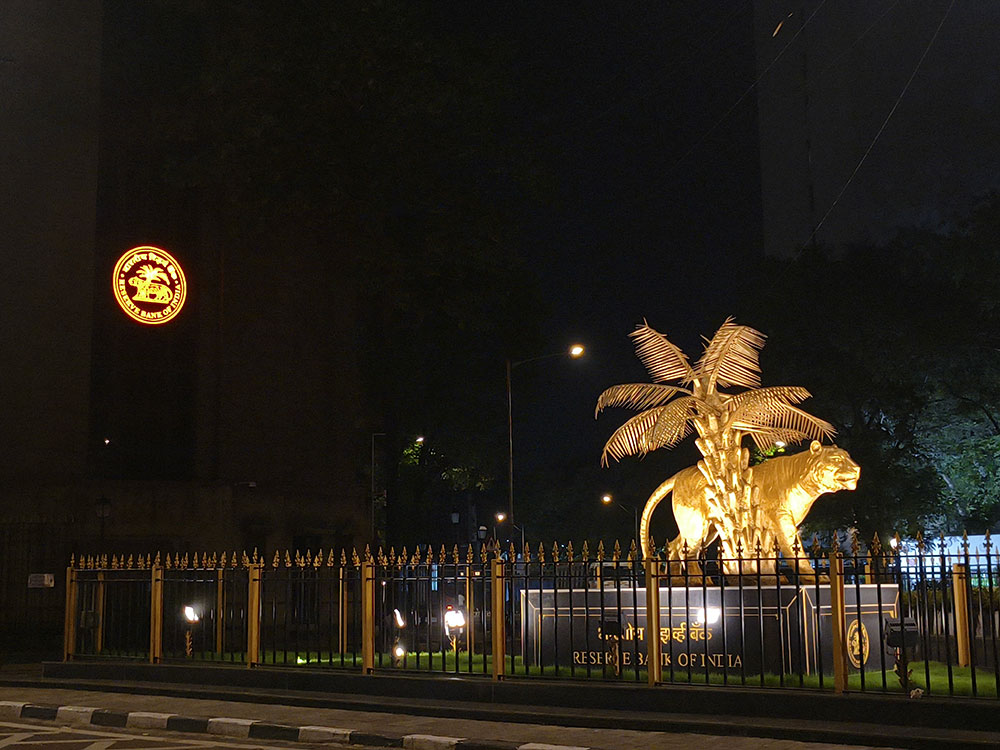
The Monetary Policy Committee’s decision to keep the repo rate unchanged at 5.25 per cent came as no surprise. With inflation still being driven largely by food and fuel prices, and growth holding up better than expected, there was little incentive for the Reserve Bank of India (RBI) to either tighten policy or signal an easing bias. The unanimous decision to retain the neutral stance indicates that the central bank wants to preserve flexibility as the global environment remains fluid.
The macroeconomic backdrop has improved modestly since the June policy review. So, the RBI has nudged its FY27 growth forecast higher to 6.7 per cent from 6.6 per cent, reflecting stronger activity in the first half of the year. Manufacturing PMI (Purchasing Managers’ Index) averaged 54.6 in the June quarter, manufacturing output expanded 6.3 per cent, while listed manufacturing companies reported 21.9 per cent growth in sales and 15.7 per cent growth in profits. Services continue to remain the economy’s biggest growth engine, with the Services PMI averaging 58.7 during the quarter.
Yet the RBI has resisted the temptation to become overly optimistic as it left growth forecasts for the second half unchanged, acknowledging that the risks have by no means disappeared. West Asia remains a source of uncertainty for global energy markets, while El Niño and deficient rainfall—15 of the 36 meteorological subdivisions have received below-normal rainfall so far—could affect agricultural output and rural demand over the coming months.
The FY27 retail inflation forecast has been lowered to 5 per cent from 5.1 per cent, largely because first-quarter inflation at 3.9 per cent turned out to be lower than expected. Even so, the RBI expects inflation to rise to 5.9 per cent in the third quarter before easing later in the year. Food prices remain the principal source of uncertainty, while crude oil continues to react sharply to geopolitical developments. Brent and the Indian crude basket have already rebounded by more than 30 per cent from their end-June levels.
This explains why the RBI is treating the current inflation episode differently from earlier cycles. The problem today is not excessive domestic demand but repeated supply-side shocks. Higher interest rates cannot produce a better monsoon or lower global oil prices. Their role is to ensure that temporary increases in food and fuel prices do not become embedded in broader inflation expectations.
The RBI appears comfortable looking through temporary supply-side shocks as long as they do not spill over into broader price pressures. Core inflation is projected at 4.3 per cent for FY27 and remains considerably lower once precious metals are excluded, suggesting that demand-driven inflation is still contained. This gives the central bank some room to prioritise growth without losing sight of its medium-term inflation target of 4 per cent.
The improvement in the external sector has also strengthened the RBI’s hand with measures announced in recent months to attract foreign capital have begun to yield results. Foreign portfolio investment in the debt market has turned positive after witnessing outflows earlier in the financial year, while inflows under the FCNR(B) scheme have exceeded expectations. Market participants estimate that these initiatives could attract around USD 75 billion over time, providing meaningful support to India’s external account.
A stronger external position will reduce pressure on the rupee and gives the RBI greater flexibility to conduct monetary policy independently. Rather than relying on higher interest rates to defend the currency, the central bank can focus on inflation while allowing capital inflows to support external stability. The orderly movement in the rupee in recent weeks, despite heightened geopolitical tensions, reflects this improving backdrop.
Liquidity conditions have tightened compared with the exceptionally comfortable levels seen earlier this year, but they remain supportive. Surplus liquidity in the banking system has declined from around Rs. 3.9 trillion in April to nearly Rs. 1 trillion in July, largely because of tax-related outflows and the absence of open market purchases. Looking ahead, however, fresh foreign inflows could add another Rs. 4-6 trillion to core liquidity during the second half of FY27. Should liquidity become excessive, the RBI has sufficient instruments—including variable rate reverse repos and open market operations—to absorb surplus funds without changing the policy rate.
The bond market has responded positively to this combination of stable policy, improving liquidity and a stronger external outlook. The benchmark 10-year government bond yield has softened to around 6.8 per cent, nearly 20 basis points lower than at the start of the fiscal year. Lower concerns over fiscal slippages, moderation in energy prices compared with their recent highs, and stronger foreign participation in government securities have all contributed to the rally. If capital inflows continue and liquidity remains comfortable, yields are likely to remain anchored in the 6.8-6.9 per cent range over the coming quarters.
The conflict in West Asia continues to create volatility in oil markets and supply chains, while several major central banks are expected to keep monetary policy restrictive. Expectations of further tightening by the US Federal Reserve, the European Central Bank and the Bank of Japan could widen interest rate differentials and periodically weigh on emerging market currencies. These external developments will remain an important consideration for the RBI, even though India’s macroeconomic fundamentals compare favourably with many of its peers.
The central bank has therefore opted for flexibility instead of committing itself to a particular policy path. Much will depend on how food inflation evolves after the monsoon, whether El Niño has a lasting impact on agricultural output, and whether geopolitical tensions translate into another sustained increase in crude oil prices. At present, inflation remains largely concentrated in food and fuel, and there is little evidence of widespread demand-driven price pressures. So, economists argue against an immediate policy tightening despite inflation remaining above the medium-term target.
The RBI has not declared victory over inflation, nor has it indicated that the next move will necessarily be a rate hike. Instead, it has acknowledged that the economy is in a relatively favourable position, with growth holding up, inflation moderating gradually and external vulnerabilities easing. As long as those conditions persist, maintaining the status quo appears to be the most prudent course.
The latest policy therefore reflects continuity rather than complacency. By modestly upgrading its growth outlook, trimming the inflation forecast and retaining a neutral stance, the RBI has signalled confidence in the resilience of the domestic economy while recognising that global risks remain elevated. In an environment where uncertainty continues to dominate the outlook, waiting for clearer signals before altering the policy stance is not indecision.